
As a licensed professional counselor who has worked with clients facing overwhelming emotions, unstable relationships, and a deep fear of abandonment, I’ve seen how the right borderline personality disorder counseling can shift someone’s life in ways that are hard to appreciate from the outside. People often arrive in my office carrying more than symptoms. They carry shame, failed treatment experiences, and the belief that they are somehow too difficult to help. In my experience, that belief is often one of the first things that has to soften before real progress can begin.
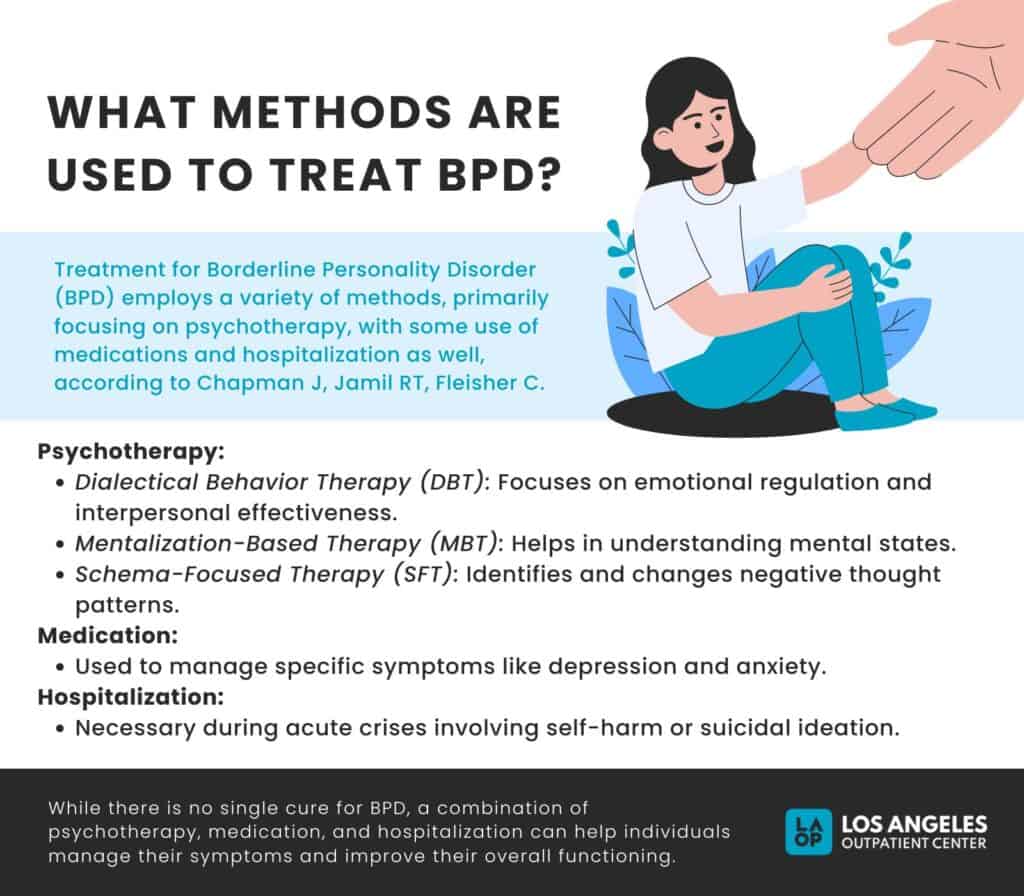
One of the biggest misconceptions I see is that counseling for borderline personality disorder is mostly about talking through dramatic events after they happen. Those conversations matter, of course, but they are not enough on their own. I’ve found that effective counseling has to help a person slow down what happens before the blowup, not just analyze it afterward. A client I worked with last spring described it perfectly: she said her emotions felt like they went from a spark to a house fire before she even knew what room she was standing in. Once we started identifying the earliest signs of panic and rejection, she finally had a chance to respond differently.
That is why I tend to be direct with clients about what good counseling should include. It should not feel vague. It should help you notice patterns, name triggers, tolerate distress, and repair relationships with more honesty and less chaos. I remember one client who had been in therapy before and came in skeptical. He told me every previous session felt like “replaying the crash after the car was already in the ditch.” That stayed with me. He did not need more reflection without structure. He needed counseling that helped him recognize the turn before he took it too fast.
I also think people underestimate how much steadiness matters in this kind of work. Borderline personality disorder often shows up in relationships first, and that includes the counseling relationship. I’ve sat with clients who expected me to pull away the moment they got angry, emotionally flooded, or ashamed. One woman I worked with tested that without realizing she was doing it. She would come into session convinced I was disappointed in her after a hard week. What helped was not reassuring her endlessly. It was staying consistent, setting clear boundaries, and helping her separate fear from fact. Counseling becomes useful when it can hold emotional intensity without collapsing into judgment or confusion.
Another mistake I see is people assuming progress should look smooth. It rarely does. A client may still have painful reactions while becoming much better at recovering from them. They may still fear abandonment while becoming less likely to self-sabotage. I consider that real progress. I do not measure success by whether someone stops having strong feelings. I look at whether they can survive those feelings with more skill and less damage.
If I were giving honest advice to someone seeking help, I would say not to settle for a counselor who seems intimidated by emotional intensity or overly passive with painful patterns. Borderline personality disorder counseling works best when the therapist is compassionate, clear, and willing to stay engaged without becoming reactive. Clients need empathy, but they also need direction.
From where I sit, counseling for BPD is not about making someone less sensitive or less human. It is about helping them live with more stability, more self-respect, and fewer moments that end in regret. I’ve seen people who once felt ruled by emotional chaos become more grounded, more thoughtful, and more hopeful. That change is rarely fast, but it is very real.